
Navy Jobs
Navy Fitness Test: 10 Important Things to Expect
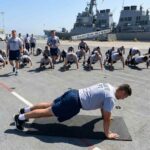
One of the biggest reasons applicants perform poorly on their fitness tests is that they go in unprepared and clueless as to what awaits them. These guidelines are not hidden from anyone; they just need to be checked beforehand. This guide will tell you everything you need to know about Navy fitness tests.
1. Why the Navy Fitness Test Matters
A lot of applicants treat the Navy fitness test as a minor hurdle compared to paperwork and interviews. That is a mistake. This test directly determines whether you move forward in the entire recruitment process, regardless of how strong your written test scores or interview performance turned out.
The standards exist for genuine operational reasons. Naval service involves physically demanding situations — emergency response aboard ship, handling heavy equipment, and sometimes working in extreme conditions where basic fitness directly affects both your safety and the safety of everyone around you.
Understanding the Navy fitness test thoroughly before your actual testing date lets you train specifically for what you will face, rather than showing up with general fitness and hoping it translates into passing scores across every component.
2. The Core Components Explained
Most Navy fitness tests follow a similar structure built around a handful of core components, though exact requirements vary somewhat by country.
- Running measures cardiovascular endurance, typically over a set distance with a required completion time that varies by age and gender category.
- Push-ups test upper body strength and muscular endurance, performed within a set time limit, usually around one to two minutes depending on the specific test format used.
- Sit-ups or core exercises evaluate core strength and endurance, also performed within a timed window similar to the push-up component.
- Swimming appears in most naval fitness assessments given the obvious operational relevance, though the specific distance and time requirements vary by country and sometimes by role.
Some navies include additional components like pull-ups or specific agility drills, particularly for specialized roles requiring elevated physical standards beyond general entry requirements.
3. Running Standards by Age and Gender
The running component of the navy fitness test typically uses a tiered system based on age brackets and gender, reflecting general physiological differences in athletic performance research. Time standards are usually the most challenging for the young, but with age, allowances will be provided gradually because there will be a natural reduction in cardiovascular capacity with age. The distances required for these tests may vary between one mile and one and a half miles, although some navies have different standards or use time-distance tests.
Genuine preparation matters significantly here. Building actual running endurance through consistent training over weeks and months produces far better results than attempting to improve performance through last-minute intense effort right before testing.
4. Push Ups and Sit Ups Explained
In addition, such tests are more about muscular endurance and not about maximal strength, so it is important that repetitions are done properly and not how much weight you can lift in one go. Proper form matters significantly during scoring. Many applicants lose count or fail repetitions due to incomplete range of motion, meaning practicing correct form consistently during training prevents wasted effort on test day itself.
Minimum requirements for the Navy fitness test vary by age and gender, similar to running standards, with specific numbers needed within the time limit to achieve passing scores. Training specifically for muscular endurance, rather than just general strength training, produces better results here. This means practicing higher repetition ranges consistently rather than focusing purely on heavy weight training with low repetitions.
5. The Swimming Component
Swimming sets the Navy fitness test apart from assessments used by land-based military branches, reflecting the genuinely different operational environment naval service involves. These usually involve swimming a certain distance in a certain amount of time, often combined with treading water for an extended amount of time, showing that you can survive in water aside from merely knowing how to swim.
This aspect of the tests tends to take most people by surprise, especially those who thought that their overall physical fitness would be enough. If swimming does not already fit into your routine of exercises, then making sure to devote practice time to swimming well ahead of the test day should make a big difference.
6. How Scoring Actually Works
Most Navy fitness test formats use a points-based system, awarding scores for each component based on your specific performance relative to age- and gender adjusted standards. Passing each component matters, but some testing formats also calculate an overall composite score, meaning particularly strong performance in one area can sometimes help offset a weaker score in another component.
Minimum passing thresholds exist for each component independently in many systems, meaning you generally cannot simply average a high score in one area against failing another component entirely. Understanding your specific Navy’s scoring system in detail, rather than assuming generic standards, helps you focus your training time efficiently on whichever components matter most for your specific application and timeline.
7. Common Reasons People Fail
Failing the Navy fitness test usually comes down to identifiable, avoidable issues rather than simply lacking natural athletic ability.
- Inadequate preparation time. They underestimate the time that is required to achieve true fitness, opting for preparing in only weeks rather than giving themselves months to actually see results.
- Neglecting the swimming component specifically. Applicants often focus heavily on running and strength training while barely practicing swimming, leading to unexpected failure in this specific area.
- Poor form during strength components. Rushing through push-ups or sit-ups with incomplete range of motion results in repetitions not counting, even when the applicant feels they performed adequately.
- Testing without proper rest beforehand. Showing up exhausted from poor sleep or excessive training right before the actual test negatively impacts performance across every component simultaneously.
- Not understanding actual requirements clearly. Some applicants simply never research the specific standards thoroughly, training generally without targeting the actual benchmarks they need to meet.
8. How to Train Properly Beforehand
Genuine preparation for the Navy fitness test starts months before your actual test date, not weeks. Build a structured running program gradually increasing both distance and pace over time, rather than attempting to run your test distance repeatedly without proper progression beforehand. Practice push-ups and sit-ups in the same format used during actual testing, including proper form and the same time constraints, rather than just doing general strength training disconnected from the actual test format.
Set aside certain times for practicing swimming, even if only two days a week, especially when swimming is something you haven’t been doing in your fitness program before. It may be wise to consult an individual who has gone through Navy training and is successful at it, as their experience about what really helped them will be more helpful than general fitness tips.
9. What Happens If You Fail
While failing the Navy fitness test on the first go may not completely halt your recruiting process, it will definitely create a setback and some extra obligations for you. Most recruitment processes allow retesting after a set waiting period, giving you additional time to specifically address whichever components caused failure initially.
Some recruiters provide specific guidance on which areas to focus improvement efforts on, based on your initial test results, making the retesting period more targeted than your original general preparation might have been. Repeated failures across multiple attempts can eventually affect your overall application, making genuine preparation before your first attempt significantly more valuable than treating initial testing as simply a trial run without real consequences.
Navy fitness tests are frequently misjudged as purely athletic hurdles. From my analysis, they are fundamentally a ‘stress-response test.’ You are not just being measured on raw speed or strength; you are being evaluated on your ability to execute under controlled, high-pressure conditions. The Navy values ‘sustained output’ over ‘peak performance bursts.’
My strategic advice for preparation is to stop training solely for the specific test metrics. Instead, train for the fatigue that occurs before and during the testing cycle. Mimic the exact sequence of the test in your daily workouts to build cognitive stamina alongside physical endurance. A key differentiator in successful candidates is ‘form maintenance’—the ability to keep your technique sharp and your focus clear even as your physical energy depletes. Treat your physical preparation not just as a hurdle to clear, but as the foundational ‘operational readiness’ that proves you are prepared for the rigors of naval service.
10. Final Thoughts
Though the Navy fitness test is not meant to be unattainable, it certainly does involve proper preparation as opposed to fitness levels alone, especially due to the swim test, which involves something not covered in other military fitness tests. Knowing what each section involves and preparing properly for them many months before the time works better than preparing in a general sense.
It is advised to talk to the recruiting officers about the standards for you and, if possible, get in touch with individuals who have gone through the Navy fitness test before.
For more on related career paths, check out our guide on How to Join the Navy — Complete Guide, and explore official resources like LinkedIn to connect with current and former naval personnel about their own experiences.
Looking for more career guidance? Browse our Navy Jobs category for more opportunities and guides.