
AirForce Jobs
Air Force Pilot and Aviation Jobs — Complete Guide 2026
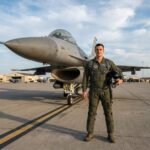
Aviation roles within the air force sit at the top of what most people picture when they think about military careers. Flying a jet aircraft, managing complex aviation operations, or keeping sophisticated aircraft systems running — these are not ordinary jobs, and getting into them is genuinely competitive. This guide breaks down the full picture of air force aviation jobs, from what each role actually involves to what the selection process really demands.
1. Why Air Force Aviation Stands Apart
That there is an explanation as to why the air force jobs in aviation can always expect the best candidates during each year’s recruitment process should come as no surprise considering how challenging, physically taxing, and responsible such jobs can be.
Flying a military aircraft or managing the systems that keep one operational involves sustained high stakes performance under conditions that training can prepare you for but never fully simulate until you are actually doing it. That combination of challenge and consequence draws a specific kind of person — and the selection process is designed to identify exactly that person among a very large pool of applicants.
Beyond the operational reality, air force aviation jobs also offer some of the strongest long term career prospects within military service, with skills that translate directly into civilian aviation careers after service ends for those who eventually transition out.
2. Types of Aviation Roles Available
Aviation careers in the Air Force encompass much more than what is known initially when exploring the career path. It is important to know about the different categories in order to narrow down the career path to one that matches your background and interest. The pilot category covers the flying of aircraft. This may include fast jet combat aircraft, transport aircraft, and helicopters depending on the particular Air Force unit.
Navigator and weapon system officer category includes individuals who perform similar tasks as pilots but in particular aircraft where there is need for both a navigator and weapons system operator due to the complexity of navigation and weapons systems. The aircrew category involves larger aircraft where there are more than just the pilot. This entails loadmaster and flight engineer as well as mission specialist positions in particular aircraft.
The maintenance and avionics technician category involves the keeping of all aircraft airworthy and requires a lot of technical know-how of all systems in order to achieve this task precisely since an error can mean fatal consequences. The air traffic control and airfield operations category is involved in moving of aircraft safely within an Air Force base area.
3. Pilot Roles Explained
To the average person, the pilot job is considered the best among all aviation occupations in the air force, and the selection process itself is a clear indication of this fact. Fast jet pilots operate combat jets and can perform tasks such as air superiority and ground attack operations as well as reconnaissance. The physiological requirements associated with the performance of high performance jets include G tolerance.
Transport and tanker pilots fly larger multi crew aircraft moving personnel, equipment, and fuel across operational theatres. These roles require different skill sets compared to fast jet flying, with longer mission durations and complex crew coordination replacing the high performance individual demands of fast jet roles.
Helicopter pilots operate rotary wing aircraft in roles spanning search and rescue, troop transport, and sometimes combat support, requiring precise low altitude flying skills that differ significantly from fixed wing operations. Selection for all pilot roles involves extensive aptitude testing, medical screening including specific aviation medical standards, and often simulator based assessments before any actual flight training begins.
4. Non Pilot Aviation Roles
There are many other aviation careers within the air force aside from piloting jobs. All of these jobs are highly operational and not simply auxiliary jobs that do not have real importance.
Fast jet weapons system officers and navigators control targeting and electronic warfare equipment, as well as critical navigational components on fast jets that are impossible for the pilot to coordinate at the same time as flying the aircraft. Such positions require considerable expertise and capability of performing under the same pressure as pilots.
Transport loadmasters organize cargo loading and in flight operation of such cargo. This job plays a crucial part in aircraft safety and mission effectiveness even if in common perception it may not be considered so glamorous as other aviation jobs.
Avionic and maintenance technicians make flights happen. Without personnel, who know everything about aircrafts’ systems inside out and are able to maintain them in exact accordance with the requirements set forth by manufacturers, there will be no flights at all. Jobs within this sector are highly technical and require high level of perfectionism. Air traffic controllers coordinate one of the hardest communication jobs within any air force, making several aircraft fly in a coordinated manner.
5. Eligibility and Entry Requirements
The requirements for air force aviation jobs vary significantly depending on which specific role you are targeting, and checking your eligibility carefully before investing time in preparation matters.
- Age limits apply differently across roles. Pilot training programs often have upper age limits lower than general military entry, sometimes as low as 27 or 28 for certain fast jet programs, reflecting the training investment involved and the operational service expected afterward.
- Educational requirements for pilot and officer level aviation roles typically include a bachelor’s degree, sometimes specifically in a technical or engineering field. Technical roles like avionics maintenance may have lower formal education entry points but require strong technical aptitude demonstrated through testing.
- Vision standards are among the most commonly misunderstood requirements for air force aviation jobs. Pilot roles especially carry strict uncorrected or corrected vision thresholds that disqualify a significant portion of otherwise eligible applicants. Checking your specific vision situation against actual requirements early prevents wasted preparation effort.
- Physical fitness standards apply universally, with pilot and aircrew roles sometimes including additional specific requirements around cardiovascular fitness, G force tolerance, and other factors directly relevant to operating in flight environments.
6. Selection and Testing Process
Getting into air force aviation jobs involves one of the more rigorous selection processes within any military recruitment pathway, reflecting the significant training investment and operational responsibility involved.
Aptitude testing covers general reasoning alongside specific aviation related assessments measuring spatial awareness, multi tasking capability, and instrument interpretation speed — skills directly relevant to operating complex aircraft systems effectively under pressure.
Medical assessment for aviation roles goes significantly beyond standard military medical examination, covering vision in detail, cardiovascular health, inner ear function relevant to balance and spatial orientation, and sometimes specific physiological testing related to G force tolerance for fast jet applicants.
Simulator assessments appear in many pilot selection processes, evaluating basic flying aptitude before investing in full flight training programs. These tests measure coordination between the eyes and hands, the ability to perform several tasks at once, and reaction under controlled pressure instead of measuring flight skills.
Psychological evaluation determines how well applicants cope with stress, make decisions based on insufficient information, and function in the demanding environment of aviation which necessitates performing technical tasks and making judgments under stress conditions.
7. What Aviation Training Actually Involves
Getting selected for air force aviation jobs is the beginning of a training journey rather than the end of the challenge. Initial officer training applies to officer level aviation candidates, covering military fundamentals before aviation specific training begins. This phase tests whether candidates can meet general military standards before specialization starts.
Basic flying training introduces student pilots to actual aircraft operation progressively, starting with lower performance training aircraft before advancing to more complex types. This phase involves regular assessment and some candidates do not progress through it despite having been selected, making consistent performance essential throughout.
Advanced flying training specializes candidates into their specific aircraft type — fast jets, transport aircraft, or helicopters — with training becoming progressively more demanding as mission complexity increases.
For non pilot air force aviation jobs, specialized technical training programs develop the specific knowledge and practical skills required for each role, often running several months and involving ongoing assessment throughout rather than a single final evaluation.
8. Career Growth in Aviation
Air force aviation jobs offer structured career advancement that rewards sustained performance and continued professional development over time.
Usually, pilots start their career as co-pilots/wingmen, then move up to be aircraft captains, and then flight commanders, with some of them becoming squadron leaders at the highest ranks of experience, thus working on the formulation of tactics and training of troops rather than participating in flights themselves.
Maintenance and technical specialists get promoted and certified through ever more advanced levels until reaching the posts where both their profound technical expertise and ability to work in a team come into play.
Lots of veterans of the air force aviation profession easily find their way into the civilian aviation sector, having accumulated all necessary certificates of flight, maintenance, and air traffic control that guarantee successful civilian aviation career.
9. Real Challenges Worth Knowing
It would be misleading to discuss air force aviation jobs only through the appealing lens without addressing genuine difficulties that come with these careers.
- Wash out rates during training are real and significant for pilot programs especially. Being selected does not guarantee completing training, and the ongoing assessment throughout creates sustained pressure across what can be a lengthy training pipeline.
- Lifestyle demands around air force aviation careers can be significant. Shift work, irregular schedules, and deployment away from home affect personal relationships and routines in ways worth genuinely considering before committing.
- Sustained performance pressure continues well beyond initial qualification. Aviation careers involve ongoing evaluation, regular proficiency testing, and medical rechecks that must be maintained consistently throughout your service career rather than just at entry.
- Transition challenges exist for some personnel when moving from highly specialized aviation roles into broader military career paths, as the specific nature of aviation skills does not always transfer directly to non aviation leadership positions within the service.
10. Final Thoughts
Pursuing a career as an Air Force pilot is as much about psychological fortitude as it is about physical capability. From my analysis, the aviation sector is highly competitive not just due to the scarcity of seats, but due to the rigorous standard of ‘operational mindset’ required. Many aspirants focus heavily on the glamour of flight, but the true qualification lies in the ability to maintain calm under extreme decision-making pressure while managing complex systems.
My strategic advice for prospective aviators is to look beyond the standard flight training curriculum. Start by cultivating a high degree of situational awareness and spatial reasoning in your daily routine. Focus on maintaining a peak medical baseline consistently, and treat your academic preparation as the foundation for mastering complex navigation and system management. This career path rewards those who view aviation not merely as a job, but as a lifelong discipline of precision, safety, and constant adaptatio
For more on related career paths, check out our guide on How to Join the Air Force, and explore resources like LinkedIn to connect with current and former air force aviation personnel about their own experiences.